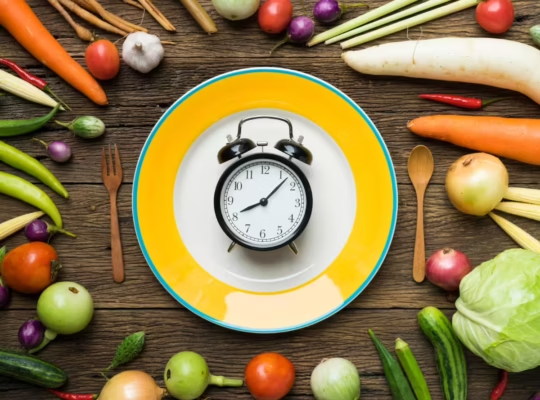
Life gets busy, and meals are often squeezed between meetings, school pickups, or errands. It’s easy to finish lunch in ten minutes without giving it much thought. But while eating quickly may save a few minutes, your digestive system doesn’t work on the same schedule.
Making a habit of rushing through meals can affect how your body digests food, how full you feel, and even how comfortable you are after eating. The good news is that slowing down is one of the simplest habits you can change to support better digestion.
For many people, eating too quickly becomes such a routine that they don’t realize how much it may affect digestion until symptoms like bloating or indigestion appear.
Why eating quickly makes digestion harder
Digestion begins long before food reaches your stomach. The way you chew, swallow, and pace your meals all influence how efficiently your digestive system works.
Chewing is the first step of digestion
Chewing does more than break food into smaller pieces. It mixes food with saliva, which contains enzymes that begin digesting carbohydrates before you even swallow.
When food is swallowed after only a few bites, your stomach has to work harder to break down larger pieces. While your stomach is designed to handle this, the process may become less comfortable when rushed meals become an everyday habit.
Research suggests that thorough chewing may improve digestive efficiency and help your body process food more comfortably.
Eating quickly may lead to bloating
Many people notice bloating after eating too fast, even when they haven’t eaten a particularly large meal.
One reason is that rushing often causes you to swallow more air along with your food. That extra air can build up in the digestive tract, leading to bloating, gas, or a feeling of pressure.
Think about grabbing a sandwich between meetings or eating in the car before your next appointment. Meals like these are often finished quickly, making it easier to swallow air without realizing it.
Your stomach has to work harder
Large bites that aren’t well chewed take longer to break down once they reach the stomach.
Although stomach acid and digestive enzymes continue the digestive process, they work more efficiently when food has already been thoroughly chewed. Over time, consistently rushing through meals may contribute to indigestion or make symptoms such as fullness and discomfort more noticeable after eating.
Signs you may be eating too quickly
Fast eating doesn’t affect everyone the same way, but there are several common signs that your eating pace may be affecting digestion.
You feel overly full after meals
Have you ever finished your meal only to feel uncomfortably full a few minutes later?
Your brain doesn’t recognize fullness immediately. Studies suggest it can take around 20 minutes for satiety signals to fully register. If you eat an entire meal in just a few minutes, you may consume more food than your body actually needs before those signals arrive.
Bloating or indigestion happens often
Occasional bloating is common, but if it happens after many meals, eating speed could be one contributing factor.
Poorly chewed food, swallowed air, and larger portions all place more demand on the digestive system. Together, they may increase the likelihood of bloating, gas, or indigestion, especially after heavier meals.
Heartburn becomes more noticeable
Eating quickly doesn’t directly cause acid reflux, but it may make symptoms more noticeable in some people.
Large bites and overeating can increase pressure inside the stomach, making it easier for stomach contents to move back toward the esophagus. If heartburn regularly appears after rushed meals, slowing down may help reduce symptoms alongside other healthy eating habits.
Simple ways to slow down at mealtime
Changing your eating pace doesn’t mean turning every meal into a lengthy event. Small adjustments can make a meaningful difference.
Put your fork down between bites
Taking short pauses naturally slows your eating speed and gives your body more time to recognize when you’re becoming full.
Chew your food more thoroughly
There’s no perfect number of chews for every bite, but aim to chew until food feels easy to swallow instead of rushing to the next bite.
Eat with fewer distractions
Watching television, scrolling through your phone, or answering emails during meals makes it easier to eat on autopilot.
Giving your meal your full attention helps you notice flavors, hunger, and fullness cues more naturally.
Give yourself at least 20 minutes
You don’t have to eat slowly all day. Simply allowing around 20 minutes for most meals gives your digestive system and your brain more time to work together.
FAQs about eating too quickly
Can eating too quickly cause bloating?
Yes. Eating quickly may increase the amount of air you swallow, which can contribute to bloating and gas.
Does eating fast cause weight gain?
It can contribute. Eating quickly may make it easier to overeat because your brain needs time to recognize that you’re full.
Can slowing down really improve digestion?
For many people, yes. Eating more slowly may reduce bloating, improve comfort after meals, and help you better recognize hunger and fullness signals.
The bottom line
Eating quickly every day may seem harmless, but over time it can make digestion less comfortable by increasing bloating, indigestion, heartburn, and overeating. Fortunately, slowing down doesn’t require a special diet or expensive treatment. Chewing food thoroughly, minimizing distractions, and giving yourself a little more time at each meal are simple habits that can support healthier digestion for years to come.
References
National Institute of Diabetes and Digestive and Kidney Diseases (NIDDK)
https://www.niddk.nih.gov/
American Gastroenterological Association (AGA)
https://gastro.org/
Harvard T.H. Chan School of Public Health
https://www.hsph.harvard.edu/
Mayo Clinic
https://www.mayoclinic.org/
Finessa Breakthrough Digestion
If you are looking for additional support for digestive wellness, Finessa Breakthrough Digestion offers an approach to explore alongside healthy eating habits and a balanced lifestyle.
Learn More About Finessa Breakthrough DigestionGet Simple Health Tips
Join our newsletter for practical tips, prevention strategies, and healthy lifestyle advice.
Medical Disclaimer
This content is for informational purposes only and should not be considered medical advice. Always consult a qualified healthcare professional. Read our Disclaimer.