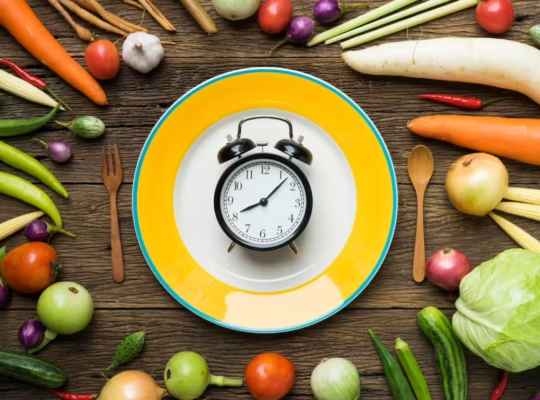
A meal may take only a few minutes to finish, but digestion continues long after the last bite.
Many people focus on what they eat when digestive symptoms appear. They may blame a rich dinner, a large lunch, or a particular ingredient. Yet the digestive process does not end when the plate is empty. The hour that follows remains an active part of digestion, and what happens during that time may influence how comfortably the digestive system works.
This may help explain why two people can eat similar meals but have very different experiences afterward.
Digestion continues long after the meal ends
Once a meal reaches the stomach, the digestive system begins a complex process of breaking food down, absorbing nutrients, and moving material through the digestive tract.
Depending on the size and composition of a meal, digestion may continue for several hours. During this period, certain habits may make digestive symptoms more or less noticeable.
Lying down too soon
After a large meal, relaxing on the couch can feel tempting.
However, remaining upright helps gravity keep stomach contents where they belong. When someone lies down shortly after eating, stomach contents may move more easily toward the esophagus, increasing the likelihood of heartburn or reflux symptoms in susceptible individuals.
A common example is the person who feels completely fine during dinner but notices burning discomfort twenty or thirty minutes later while reclining in front of the television.
Research published in the American Journal of Gastroenterology has linked eating close to bedtime with an increased likelihood of reflux symptoms in some individuals.
Going to bed immediately after eating
The digestive system continues working while the body prepares for sleep.
A large meal immediately before bedtime may leave some people feeling overly full, bloated, or uncomfortable. For individuals who experience reflux, symptoms may also become more noticeable during the night.
Allowing some time between dinner and sleep often feels more comfortable than eating and heading directly to bed.
Physical activity and digestion do not always work well together
Exercise supports overall health, including digestive health. The timing of exercise, however, can influence how comfortable it feels after a meal.
Intense exercise after eating
Imagine finishing a large lunch and immediately heading to a demanding workout.
During vigorous exercise, the body directs more blood flow toward working muscles. At the same time, the digestive system may still be processing a recent meal.
For some people, this combination may contribute to nausea, stomach discomfort, cramping, or a sensation that food is sitting heavily in the stomach.
Studies examining exercise and gastrointestinal symptoms have found that intense physical activity performed shortly after eating may increase digestive discomfort in some individuals.
Gentle movement may feel different
Not all movement places the same demands on the body.
A short walk after a meal is very different from a strenuous workout:
Many people find that gentle movement feels comfortable after eating. A brief walk, light stretching, or normal daily activities are often tolerated differently than high-intensity exercise.
This distinction is important because movement itself is not necessarily the problem. The intensity and timing may matter more.
Some post-meal habits may influence digestive comfort
Food is only one part of the digestive experience. What happens after eating can also affect how the digestive system feels.
Drinking large amounts of fluid quickly
Hydration is important for digestive health, but some people feel uncomfortable when they consume large amounts of liquid very quickly after a meal.
For example, someone who finishes a large restaurant dinner and immediately drinks several large glasses of water may notice a greater feeling of fullness than someone who drinks fluids gradually throughout the day.
Individual responses vary, but digestive comfort often depends on overall habits rather than a single action.
Moving directly into stressful situations
The digestive system and nervous system remain closely connected through the gut-brain axis.
Consider two different situations. In one, a person enjoys lunch and spends the next few minutes walking or relaxing. In the other, lunch is immediately followed by a stressful meeting, a difficult conversation, or an urgent deadline.
The meal may be identical, but the digestive experience may not be.
Research continues to show that stress can influence digestive symptoms, including bloating, abdominal discomfort, and changes in bowel habits.
Small post-meal habits may help support digestion
The goal is not to create complicated rules around eating. In many cases, simple habits may help support digestive comfort.
Stay upright for a while
Giving the digestive system some time before reclining may reduce discomfort, particularly after larger meals.
Allow time between dinner and sleep
Creating a gap between the evening meal and bedtime may feel more comfortable than eating immediately before sleep.
Choose gentle movement when possible
A short walk after a meal often feels different from intense exercise and may fit naturally into daily routines.
Create a calmer transition after meals
Not every meal can be stress-free, but even a few minutes of calm after eating may support a more comfortable digestive experience.
FAQs about digestion after eating
How long does digestion continue after a meal?
Digestion continues for several hours after eating. The exact timing depends on the size and composition of the meal.
Is it bad to lie down after eating?
For some people, lying down too soon may increase the likelihood of reflux or heartburn symptoms.
Can exercise affect digestion after a meal?
Yes. Vigorous exercise shortly after eating may cause discomfort in some individuals, while gentle movement is often better tolerated.
Does stress influence digestion after meals?
It can. Stress may make digestive symptoms more noticeable because of the close connection between the gut and the brain.
Conclusion
The hour after eating may be important for digestion because the digestive process continues long after a meal is finished. During this time, the stomach and intestines remain actively involved in breaking down food, absorbing nutrients, and moving material through the digestive tract.
That is why digestion is influenced by more than what is on the plate. Habits such as lying down too soon, exercising intensely after a meal, or moving directly into stressful situations may affect how comfortable digestion feels. Paying attention to the hour after eating may reveal patterns that help explain everyday digestive symptoms.
References
- American Journal of Gastroenterology. Research examining meal timing and reflux symptoms.
- National Institute of Diabetes and Digestive and Kidney Diseases (NIDDK)
https://www.niddk.nih.gov - American Gastroenterological Association (AGA)
https://gastro.org - Cleveland Clinic
https://my.clevelandclinic.org - Mayo Clinic
https://www.mayoclinic.org
Finessa Breakthrough Digestion
If you are looking for additional support for digestive wellness, Finessa Breakthrough Digestion offers an approach to explore alongside healthy eating habits and a balanced lifestyle.
Learn More About Finessa Breakthrough DigestionGet Simple Health Tips
Join our newsletter for practical tips, prevention strategies, and healthy lifestyle advice.
Medical Disclaimer
This content is for informational purposes only and should not be considered medical advice. Always consult a qualified healthcare professional. Read our Disclaimer.