Showing 33 Result(s)
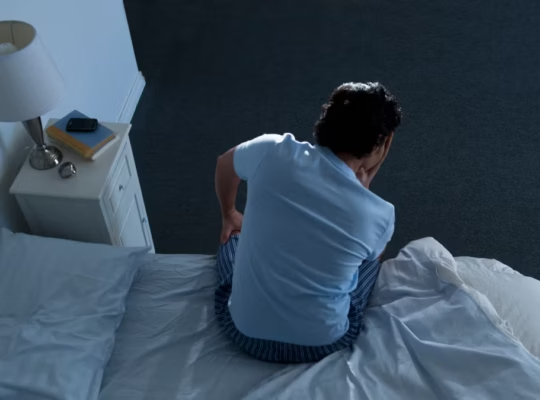
Nighttime bathroom trips

Why men start waking up to pee more often as they age?

Waking up once to use the bathroom may not seem unusual. But if nighttime bathroom trips gradually become more frequent as you get older, the change can start affecting sleep, daytime energy, and how rested you feel. Known as nocturia, nighttime urination can have several causes. In men, age-related changes in the prostate and urinary …

Health check

Low testosterone symptoms men should not ignore

Feeling less energetic, less interested in sex, or frustrated that your workouts are no longer producing the same results can be easy to blame on getting older. Stress, poor sleep, medications, and other health issues can cause similar changes. But low testosterone symptoms can sometimes explain a pattern of changes involving energy, sexual health, muscle …

Adult practicing breathing exercises indoors

Nighttime urination in men: Common causes and what may help

Waking up once to use the bathroom may not seem unusual. But if nighttime bathroom trips happen regularly, they can interrupt sleep and leave you feeling less rested the next day. Known medically as nocturia, nighttime urination is a symptom rather than a condition itself. It can be related to an enlarged prostate, bladder changes, …

Older man doing strength training

Muscle and strength changes with age

Getting older can make it harder to build muscle, recover from workouts, or maintain the strength you once had. Some of that change is a normal part of aging, but how quickly it happens can vary considerably. Muscle loss can affect more than appearance. Strength supports movement, balance, metabolism, and everyday independence, which makes preserving …

Health check

Why erectile problems can be a health signal?

Erectile problems can be frustrating, especially when they seem to appear without an obvious reason. But an erection depends on healthy blood flow, nerves, hormones, and overall physical and emotional health. That means changes in erectile function can sometimes be a reason to look beyond sexual health alone. They do not automatically point to a …

Man measuring his waist after 40

Why men gain belly fat as they get older?

Your waistline can change even when your routine seems surprisingly familiar. After 40, some men notice that the same meals and workouts that once kept their weight steady no longer seem to have the same effect. Age plays a role, but belly fat is not simply an unavoidable part of getting older. Changes in muscle …

The biggest health risks men should understand as they age

Getting older does not mean that health problems are inevitable. But after 40, some conditions become more relevant, and understanding the risks can make it easier to recognize changes before they become harder to address. Research and guidance from major U.S. health organizations point to several areas worth watching, including heart health, sexual function, prostate …

Man staying active after 40

Men’s health after 40: the changes worth paying attention to

After 40, you may notice changes that are easy to blame on getting older: lower energy, slower workout recovery, stubborn belly fat, disrupted sleep, or a shift in sex drive. These changes can happen gradually, but they are not always something you simply have to accept. Men’s health after 40 is influenced by aging, but …

Man discussing health check with doctor

The health checks men should not put off

A health check can feel easy to postpone when you feel fine. But some health problems develop quietly, so waiting for symptoms is not always the best way to protect your health. Routine preventive care gives you a chance to track important changes, discuss personal risk factors, and decide which screenings or tests make sense …

Man feeling tired in afternoon

Why you crash in the afternoon even after a good night’s sleep?

A little sleepiness in the early afternoon is normal. Your internal body clock naturally creates a dip in alertness during this part of the day. But if you regularly feel as though your energy suddenly disappears, especially when you can barely focus or keep your eyes open, something else may be contributing. The important clue …