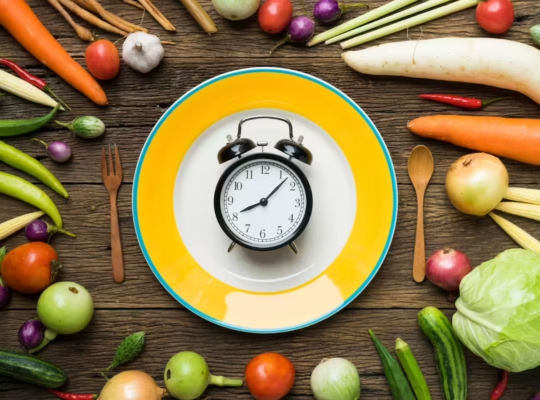
Digestion is often associated with the stomach and intestines, but one of the most important steps happens before food ever reaches either of them. Every bite you take begins a process that can influence how comfortably you digest a meal, how satisfied you feel afterward, and how efficiently your body breaks food down.
While chewing may seem automatic, slowing down enough to chew thoroughly gives your digestive system a stronger start.
Why chewing matters more than many people realize
Chewing is the first stage of mechanical digestion. Breaking food into smaller pieces increases its surface area, making it easier for digestive enzymes to do their job later in the stomach and small intestine.
At the same time, chewing stimulates saliva production. Saliva does more than moisten food. It also contains enzymes that begin digesting carbohydrates before food is swallowed. This early step helps prepare each bite for the rest of its journey through the digestive tract.
The better food is prepared in the mouth, the less work later stages of digestion may have to do.
Chewing also supports your body’s natural digestive signals
Eating isn’t simply about moving food from your mouth to your stomach. Your body relies on a series of coordinated signals that begin as soon as you start chewing.
Saliva begins preparing food
Saliva softens food into a smooth, easy-to-swallow mixture while initiating the breakdown of certain carbohydrates. It also helps protect the lining of the mouth and esophagus during swallowing.
Your digestive system gets ready
The act of chewing activates nerves that signal the stomach, pancreas, and other digestive organs to prepare for the meal ahead. Stomach acid and digestive enzymes are released in anticipation, allowing digestion to begin more efficiently once food arrives.
Fullness takes time to develop
Chewing naturally slows the pace of eating. Because the brain needs time to recognize signals of fullness, eating more slowly may help you notice when you’re comfortably satisfied instead of continuing to eat beyond your needs.
Can chewing affect digestive comfort?
Chewing well is not a cure for digestive conditions, but it can be one of several everyday habits that support normal digestion.
When large pieces of food are swallowed quickly, the stomach must spend more effort breaking them down. For some people, eating too fast may be associated with feelings of heaviness, bloating, or discomfort after meals.
Many factors contribute to digestive symptoms, including food choices, meal size, stress, hydration, and underlying digestive conditions. However, improving chewing habits is a simple change that may complement other healthy eating practices.
If digestive discomfort occurs frequently, exploring broader digestive health habits with a healthcare professional may also be worthwhile.
Simple ways to chew more thoroughly
You don’t need to count every chew. Instead, focus on making meals feel less rushed.
Helpful habits include:
- Put utensils down briefly between bites.
- Finish chewing completely before taking another bite.
- Minimize distractions from phones or television during meals.
- Allow enough time so eating doesn’t feel rushed.
- Notice the texture of food rather than trying to finish quickly.
These small adjustments naturally encourage slower eating without requiring strict rules.
Better chewing works best alongside other healthy habits
Chewing is only one piece of healthy digestion. Daily routines also play an important role.
Balanced meals that include fiber, drinking enough water, staying physically active, and managing stress all contribute to how comfortably your digestive system functions. Consistently practicing these habits often provides greater benefits than relying on any single strategy alone.
FAQs about better chewing for digestion
Does chewing food more help digestion?
Yes. Chewing breaks food into smaller pieces and mixes it with saliva before swallowing. This gives digestive enzymes a head start and helps prepare food for digestion further down the digestive tract.
How many times should you chew each bite?
There is no ideal number for everyone. Rather than counting chews, aim to chew until food is well broken down and easy to swallow. Different foods naturally require different amounts of chewing.
Can chewing slowly reduce bloating?
Eating more slowly and chewing thoroughly may help some people feel more comfortable after meals because food reaches the stomach in smaller pieces and meals are eaten at a more relaxed pace. However, persistent bloating can have many causes and should be evaluated if it continues.
Does chewing affect how full you feel?
It can. Chewing slows the pace of eating, giving your brain more time to recognize fullness signals. This may make it easier to stop eating when you feel comfortably satisfied.
The bottom line
Better digestion may start with better chewing because digestion begins in the mouth, not the stomach. Thorough chewing helps break food into smaller pieces, stimulates saliva production, and gives your digestive system time to prepare for the meal ahead.
Although chewing alone cannot prevent digestive problems, slowing down during meals is a simple habit that may support more comfortable digestion as part of an overall healthy lifestyle.
References
National Institute of Diabetes and Digestive and Kidney Diseases
https://www.niddk.nih.gov/
American Gastroenterological Association
https://gastro.org/
Cleveland Clinic
https://health.clevelandclinic.org/
Mayo Clinic
https://www.mayoclinic.org/
Finessa Breakthrough Digestion
If you are looking for additional support for digestive wellness, Finessa Breakthrough Digestion offers an approach to explore alongside healthy eating habits and a balanced lifestyle.
Learn More About Finessa Breakthrough DigestionGet Simple Health Tips
Join our newsletter for practical tips, prevention strategies, and healthy lifestyle advice.
Medical Disclaimer
This content is for informational purposes only and should not be considered medical advice. Always consult a qualified healthcare professional. Read our Disclaimer.