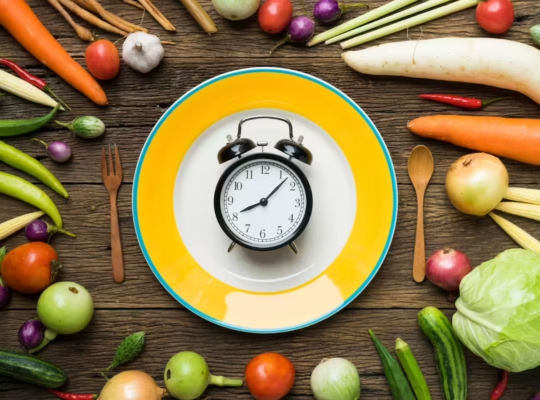
Gut health advice often focuses on foods, supplements, or the latest wellness trends. While these topics receive plenty of attention, they can sometimes make digestive wellness feel more complicated than it needs to be.
In reality, better gut health is often built through routines that are repeated day after day. Small habits may not seem dramatic, but they can have a meaningful influence on digestion over time.
Why sustainable routines often matter more than short term efforts
Many people try to improve their digestive health by making major changes all at once. They may completely overhaul their diet, eliminate multiple foods, or follow a strict plan that becomes difficult to maintain.
The challenge is that gut health is shaped by patterns rather than isolated actions. A healthy meal eaten occasionally is unlikely to have the same impact as consistent habits practiced week after week.
The digestive system generally functions best when daily routines provide a sense of regularity. Meal timing, sleep schedules, physical activity, and food choices all work together to create an environment that supports digestive balance.
Some everyday habits that may support gut health over time
Here are several routines that may help support gut health:
Eat a wider variety of plant foods
When people think about digestive wellness, they often focus on getting more fiber. While fiber is important, variety may matter just as much.
Different fruits, vegetables, legumes, nuts, seeds, and whole grains provide different types of fiber and plant compounds. These foods help support a diverse gut microbiome, which is often associated with digestive resilience and overall gut health.
Rather than eating the same few healthy foods every day, it may be helpful to gradually include a broader range of plant foods throughout the week.
Keep meal timing relatively consistent
The digestive system operates within the body’s natural daily rhythms.
Eating at dramatically different times each day may make it more difficult for the body to establish predictable digestive patterns. While occasional schedule changes are a normal part of life, maintaining relatively consistent meal times may help support digestive comfort.
This is one reason why meal timing and digestive comfort are often discussed together when talking about long term digestive wellness.
Make movement part of daily life
Physical activity does more than support cardiovascular health. Regular movement may also help support normal digestive function.
Many people notice that digestion feels more comfortable when movement is a consistent part of their routine. This does not necessarily require intense exercise.
Simple activities such as walking, stretching, gardening, or taking the stairs can help reduce long periods of inactivity and support overall digestive wellness.
Prioritize sleep whenever possible
Sleep and digestion are more connected than many people realize.
During sleep, the body carries out important repair and recovery processes. Consistently poor sleep may affect stress levels, daily energy, eating patterns, and digestive function.
Over time, maintaining a regular sleep schedule may become one of the most valuable yet overlooked habits for supporting gut health.
Gut health is influenced by more than food
Many people associate gut health primarily with diet. However, digestion and the gut microbiome are also affected by factors that extend beyond the plate.
Some commonly overlooked influences include:
- Stress.
- Irregular schedules.
- Frequent travel.
- Sleep disruption.
- Long periods of sitting.
- Certain medications.
These factors may not seem directly connected to digestion, yet they can influence how the digestive system functions from day to day.
Stress can affect digestion
The connection between the brain and digestive system is strong.
During stressful periods, some people notice changes in appetite, bowel habits, or digestive comfort. Others may experience bloating or stomach discomfort even when their food choices have not changed significantly.
This is one reason why digestive wellness routines often include stress management alongside nutrition and lifestyle habits.
Routine disruptions sometimes matter more than people realize
Many digestive symptoms appear during periods when normal routines are disrupted.
A busy workweek, travel, poor sleep, skipped meals, or unusual eating schedules can sometimes affect digestion even when food choices remain relatively similar.
Recognizing these patterns may help explain why digestive comfort can vary from one week to the next.
Small changes are often easier to maintain
The healthiest digestive routine is not always the most restrictive one. In many cases, it is the routine that feels realistic enough to maintain consistently.
Adding an extra serving of vegetables, taking a short walk most days, going to bed at a more regular time, or eating meals on a more predictable schedule may seem like small adjustments. However, these habits often become more valuable when practiced over months and years rather than days.
In the end
Better gut health rarely depends on a single food, supplement, or perfect routine. More often, it reflects the cumulative effect of everyday choices that support digestion over time.
If there is one idea worth remembering, it is that sustainable habits are often more powerful than dramatic changes. Small routines that fit naturally into daily life may provide the strongest foundation for long term gut health.
References
- National Institute of Diabetes and Digestive and Kidney Diseases (NIDDK). Digestive Diseases and Digestive Health.
https://www.niddk.nih.gov/health-information/digestive-diseases - Harvard T.H. Chan School of Public Health. The Nutrition Source: Gut Health.
https://nutritionsource.hsph.harvard.edu - Cleveland Clinic. Gut Health and Digestive Wellness.
https://health.clevelandclinic.org - Mayo Clinic. Digestive Health Resources.
https://www.mayoclinic.org
Finessa Breakthrough Digestion
If you are looking for additional support for digestive wellness, Finessa Breakthrough Digestion offers an approach to explore alongside healthy eating habits and a balanced lifestyle.
Learn More About Finessa Breakthrough DigestionGet Simple Health Tips
Join our newsletter for practical tips, prevention strategies, and healthy lifestyle advice.
Medical Disclaimer
This content is for informational purposes only and should not be considered medical advice. Always consult a qualified healthcare professional. Read our Disclaimer.