Cholesterol is a fat-like substance produced by your liver. It travels through your blood.
There are two main types:
- LDL cholesterol: LDL cholesterol is often called bad cholesterol. You want your LDL to be low because if it builds up in plaque in your arteries, it can increase your risk of heart disease
- HDL cholesterol: HDL cholesterol is the good cholesterol. You want your HDL to be high because it absorbs LDL from your arteries and carries it to your liver, where it is broken down and processed, protecting you from heart disease
How does cholesterol change after menopause?
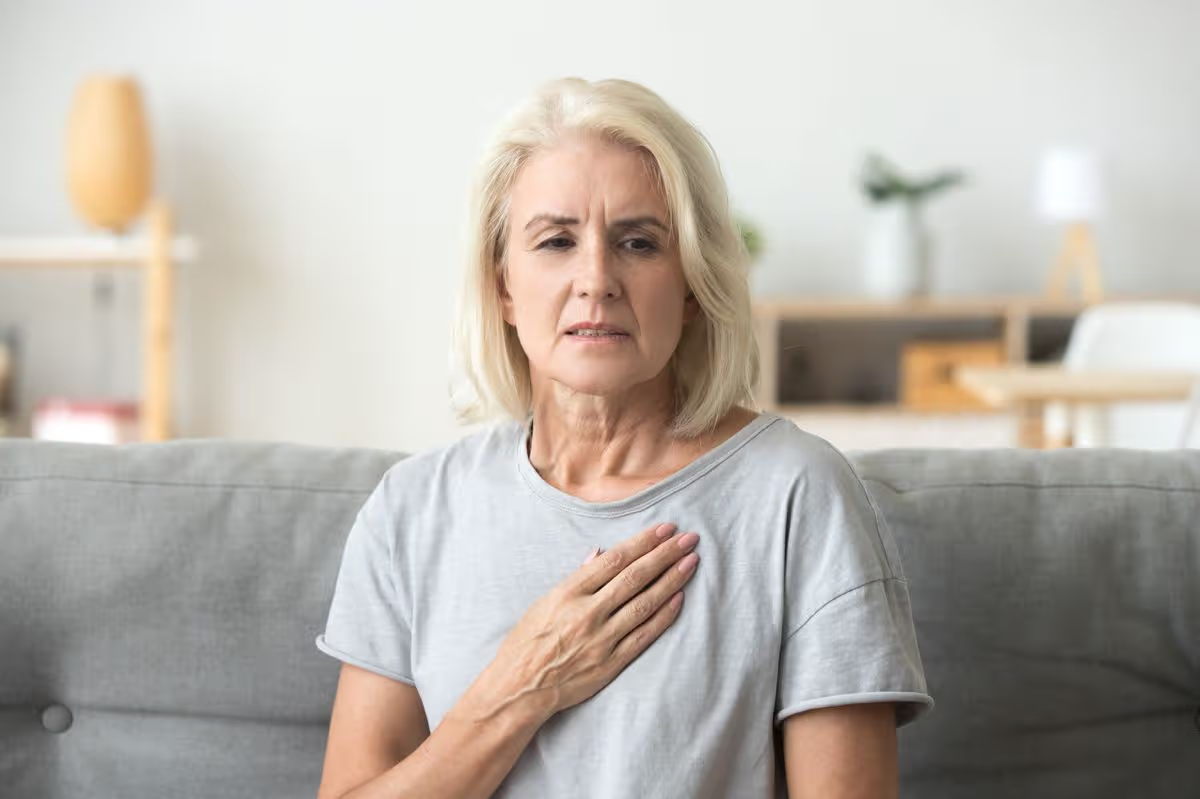
Women often experience health changes after menopause, and high cholesterol is one of the main concerns. The decline in estrogen after menopause directly affects the ability to control cholesterol, leading to risks of cardiovascular disease, atherosclerosis, stroke, etc.
After menopause, cholesterol levels in women tend to fluctuate in an unfavorable direction, mainly due to the decline in estrogen (a hormone that plays an important role in controlling blood lipids).
After menopause, total cholesterol usually increases by about 10-15%, LDL cholesterol (bad) also increases, while HDL cholesterol (good) either changes slightly or decreases, and triglycerides also tend to increase if lifestyle is not controlled.
The main causes are decreased estrogen, poor liver ability to process cholesterol, changes in fat distribution (more fat accumulation in the abdomen), as well as lifestyle influences such as lack of exercise, unscientific diet or accompanying diseases such as diabetes, obesity, high blood pressure. These changes, if prolonged and uncontrolled, will increase the risk of atherosclerosis, cardiovascular complications or stroke.
Therefore, postmenopausal women need to change their lifestyle, control their weight, eat more fiber, unsaturated fat, exercise regularly, and have regular health check-ups to monitor blood lipid levels, thereby protecting their health well in the future.
Solutions to prevent high cholesterol for postmenopausal women
Here are some solutions that postmenopausal women can apply to avoid high cholesterol:
1. Healthy diet
Increase soluble fiber from oats, barley, beans, apples, pears, etc. Fatty fish such as salmon and mackerel also contain a lot of unsaturated fatty acids, which help increase HDL (good cholesterol) while still controlling LDL (bad cholesterol).
2. Exercise regularly
Moderate activities such as walking, yoga, swimming or cycling for about 30-60 minutes a day will help control weight, improve overall health, and bring cholesterol levels to a safe level.
3. Control stress
Relaxation, meditation, yoga or chatting with friends and family also contribute positively to controlling stress – one of the factors affecting cardiovascular health.
4. Limit stimulants
Tobacco, alcohol, caffeine, if used in a controlled manner or completely abstained if health requires, will help postmenopausal women avoid fluctuations in cholesterol.
5. Regular health check-ups
Regular health check-ups, blood tests, lipid and glucose measurements, etc. will help detect early fluctuations, if any, and intervene promptly.
Clear Flux
If you are looking for additional support for cardiovascular wellness, Clear Flux Blood Support is an option to explore alongside a heart-healthy diet, regular physical activity, and other healthy lifestyle habits.
Learn More About Clear Flux Blood SupportGet Simple Health Tips
Join our newsletter for practical tips, prevention strategies, and healthy lifestyle advice.
Medical Disclaimer
This content is for informational purposes only and should not be considered medical advice. Always consult a qualified healthcare professional. Read our Disclaimer.