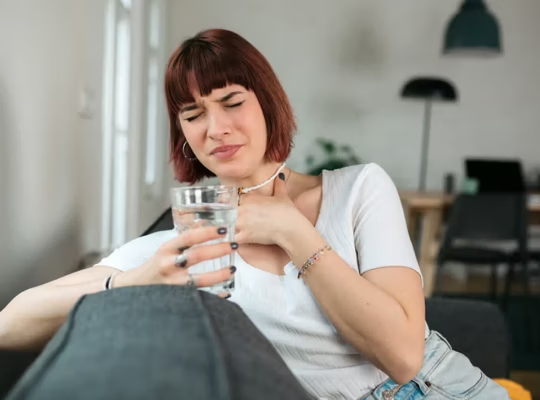
Busy mornings, packed schedules, and long commutes often leave little time to sit down for a proper meal. Grabbing breakfast on the way to work or eating lunch between meetings may seem like an efficient solution, but these habits can affect more than your schedule. The way you eat may influence how comfortably your digestive system processes food, making bloating, fullness, or other digestive symptoms more noticeable.
Why eating on the go may be harder on your digestive system
Digestion begins before your first bite
Digestion doesn’t start when food reaches your stomach. It begins when you see, smell, and chew your meal. These early steps help prepare your digestive system by stimulating saliva production and digestive secretions that support the breakdown of food.
According to digestive health experts, slowing down long enough to pay attention to your meal gives your body time to prepare for digestion before food reaches the stomach and intestines.
Rushing through meals may make digestion less comfortable
When you eat while walking, driving, answering emails, or rushing to your next appointment, it’s easy to swallow larger bites and chew less thoroughly. Food reaches your stomach more quickly, leaving your digestive system with more work to do.
Eating in a hurry may also cause you to swallow more air, which can contribute to bloating, belching, or a feeling of fullness after meals. Some people may also notice greater fluctuations in energy because the body has less time to process nutrients gradually.
Simple habits that can make meals easier on digestion
Take a few minutes to sit down when possible
You don’t need a long, uninterrupted lunch break to support your digestive system. Even setting aside a few minutes to sit down, eat without distractions, and chew your food thoroughly may help meals feel more comfortable.
Research also suggests that eating more slowly allows your digestive system to process food at a steadier pace while giving your body’s natural fullness signals time to develop.
Plan ahead for busy days
Busy schedules are sometimes unavoidable, but planning ahead can reduce the need to eat every meal while rushing from one place to another.
Preparing simple meals or snacks in advance, carrying healthy options with you, and scheduling regular meal times whenever possible can make it easier to nourish your body without feeling pressured to eat on the move.
If you frequently have to eat away from home, choosing foods that are easy to chew and eating them at a comfortable pace may also support a more enjoyable digestive experience.
FAQs about eating on the go
Can eating while walking affect digestion?
It may for some people. Eating while walking often encourages faster eating and less thorough chewing, which can make bloating or stomach discomfort more noticeable after meals.
Is it better to sit down while eating?
For many people, yes. Sitting down and eating without rushing allows you to chew more thoroughly and focus on your meal, which supports normal digestion.
Does eating too quickly cause bloating?
It can. Eating quickly may increase the amount of air you swallow and reduce chewing, both of which may contribute to bloating or feelings of fullness after eating.
Conclusion
Eating on the go is sometimes unavoidable, especially during busy weeks. However, making time to slow down whenever possible, chewing your food thoroughly, and planning meals ahead can help support more comfortable digestion. Small changes in how you eat may be just as important as the foods you choose.
References
University of Washington Medicine
https://www.uwmedicine.org/
National Institute of Diabetes and Digestive and Kidney Diseases (NIDDK)
https://www.niddk.nih.gov/
American Gastroenterological Association (AGA)
https://gastro.org/
Finessa Breakthrough Digestion
If you are looking for additional support for digestive wellness, Finessa Breakthrough Digestion offers an approach to explore alongside healthy eating habits and a balanced lifestyle.
Learn More About Finessa Breakthrough DigestionGet Simple Health Tips
Join our newsletter for practical tips, prevention strategies, and healthy lifestyle advice.
Medical Disclaimer
This content is for informational purposes only and should not be considered medical advice. Always consult a qualified healthcare professional. Read our Disclaimer.