
Many people associate heartburn with foods eaten shortly before symptoms appear. However, some foods may continue to affect digestion long after dinner is over, making discomfort more noticeable later in the evening, during the night, or even the next morning.
Because the connection is not always immediate, it can be surprisingly easy to overlook the foods that may be contributing.
Foods that may contribute to heartburn hours after dinner
Several foods and beverages are commonly associated with reflux symptoms that appear well after a meal has ended.
1. High fat meals
Foods that are high in fat often take longer to leave the stomach. This may increase the amount of time stomach contents remain available to reflux into the esophagus.
Examples include:
- Fried foods
- Fast food meals
- Creamy sauces
- High fat cuts of meat
- Rich restaurant meals
For some people, symptoms become more noticeable later in the evening rather than immediately after eating.

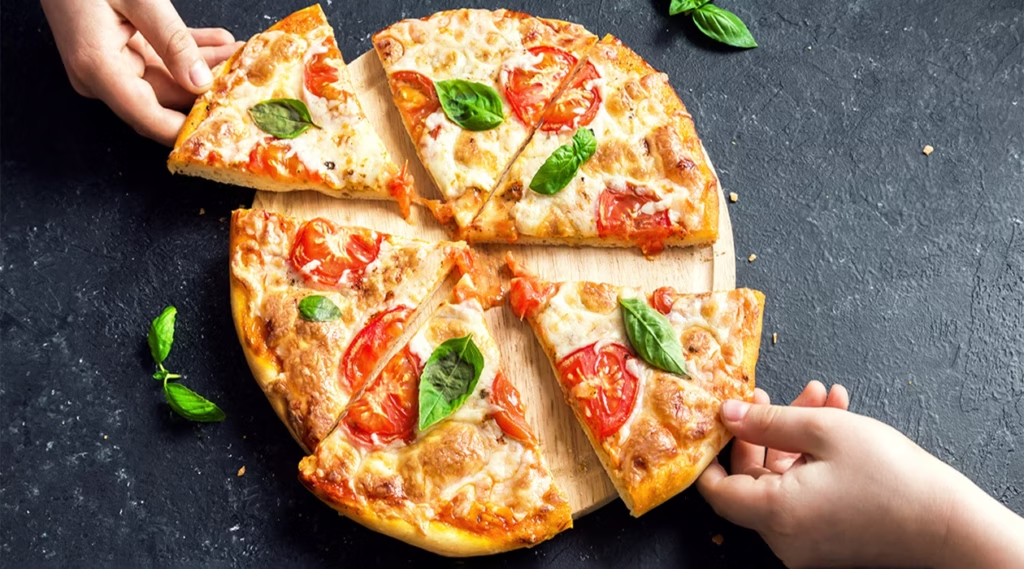

2. Tomato based foods
Tomato sauce, pizza, pasta dishes, and other tomato based foods are frequently reported as heartburn triggers.
These foods are often part of dinner, which can make them a common contributor to symptoms that develop overnight.
3. Spicy foods
Not everyone reacts to spicy foods, but some people notice increased discomfort after heavily seasoned meals.
The effect may be more noticeable when spicy foods are combined with large portions or eaten later in the evening.
4. Chocolate
Chocolate is another commonly reported trigger.
While individual responses vary, some people find that chocolate consumed after dinner may contribute to symptoms that persist into the night.
5. Coffee and caffeinated beverages
Coffee is not always limited to the morning. Afternoon and evening caffeine intake may continue to affect some people hours later.
Coffee, energy drinks, and other caffeinated beverages may contribute to ongoing reflux symptoms in susceptible individuals.
6. Alcohol
Alcohol may contribute to reflux in several ways and is a common trigger for some people.
Symptoms may be particularly noticeable when alcohol is consumed with large evening meals or close to bedtime.
7. Carbonated beverages
Carbonated drinks may increase stomach pressure in some individuals.
When combined with a large meal, this may increase the likelihood of reflux occurring later in the evening.
Why symptoms do not always appear right away
Many people expect heartburn to occur immediately after eating. In reality, symptoms may develop hours later.
1. Digestion can continue for hours
The stomach remains active long after dinner ends.
Large or rich meals may take longer to process, which can extend the period during which reflux may occur.
2. A late dinner may increase the likelihood of reflux
When dinner takes place close to bedtime, digestion and sleep may overlap.
This may create more opportunities for stomach contents to move upward into the esophagus.
A natural internal link opportunity could fit here around dinner timing and heartburn, especially when discussing the relationship between meal schedules and reflux symptoms.
3. Lying down may make symptoms more noticeable
During the day, gravity helps keep stomach contents moving downward.
When a person lies down, that assistance is reduced, making reflux more likely in some situations.
4. Food and meal timing often work together
The same meal may affect people differently depending on when it is eaten.
A dinner consumed several hours before bed may be tolerated differently than the same meal eaten shortly before sleep.
How to identify foods that may be affecting you
Triggers are highly individual, which is why personal observation is often more useful than following a generic food list.
1. Keep a simple food journal
Recording meals and symptoms for several weeks may reveal patterns that are difficult to notice otherwise.
2. Look for patterns instead of single events
One episode of heartburn does not always identify a trigger.
Repeated patterns are often more informative.
3. Consider portion size as well
Large meals may contribute to symptoms even when the foods themselves are not obvious triggers.
4. Pay attention to dinner timing
Food choices and timing often influence each other.
A second internal link opportunity could naturally fit here around meal habits that affect digestion, particularly when discussing broader eating patterns rather than individual foods.
When should heartburn be evaluated?
Occasional heartburn is common, but persistent symptoms deserve attention.
Medical evaluation may be appropriate if you experience:
- Frequent heartburn
- Difficulty swallowing
- Unexplained weight loss
- Persistent nausea
- Symptoms that interfere with sleep
- Ongoing reliance on reflux medications
A healthcare professional can help determine whether an underlying digestive condition may be contributing to symptoms.
FAQs about foods and heartburn
Can food eaten at dinner cause heartburn the next morning?
In some cases, yes. Certain foods may contribute to reflux that continues overnight, making symptoms more noticeable later or after waking.
Are spicy foods the most common trigger?
Not necessarily. Common triggers may include high fat foods, tomato based products, chocolate, alcohol, caffeinated beverages, and spicy foods, but responses vary from person to person.
Does meal timing matter as much as food choices?
For many people, both factors are important. Food choices and meal timing often work together to influence symptoms.
Should I avoid every food associated with heartburn?
Not necessarily. Identifying personal triggers is usually more practical than eliminating all foods that may be associated with reflux.
In the end
Certain foods may contribute to heartburn long after dinner, but the effects are not the same for everyone. Identifying personal food triggers and paying attention to meal timing may help uncover patterns that support better digestive comfort.
References
- National Institute of Diabetes and Digestive and Kidney Diseases (NIDDK). https://www.niddk.nih.gov
- American College of Gastroenterology (ACG). https://gi.org
- Cleveland Clinic. https://my.clevelandclinic.org
- Mayo Clinic. https://www.mayoclinic.org
Finessa Breakthrough Digestion
If you are looking for additional support for digestive wellness, Finessa Breakthrough Digestion offers an approach to explore alongside healthy eating habits and a balanced lifestyle.
Learn More About Finessa Breakthrough DigestionGet Simple Health Tips
Join our newsletter for practical tips, prevention strategies, and healthy lifestyle advice.
Medical Disclaimer
This content is for informational purposes only and should not be considered medical advice. Always consult a qualified healthcare professional. Read our Disclaimer.


